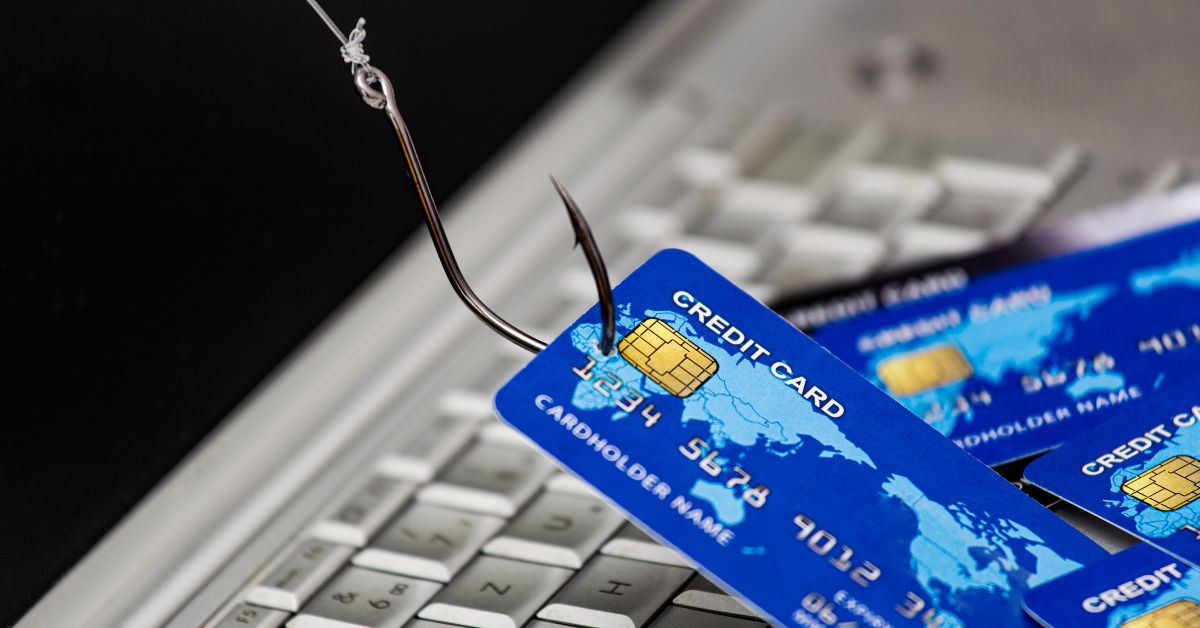
Cyber threats continue to evolve in the UK, and recent data shows a clear shift in the types of attacks businesses are facing. The latest Cyber Security Breaches Survey reports that phishing accounts for 85% of identified attacks, while ransomware incidents have increased significantly, with the NCSC handling 20 major cases in 2024.
At the same time, the UK has seen a noticeable overall uptick in nationally significant cyber incidents, highlighting how common these threats have become across all sectors – including small and mid-sized enterprises (SMEs).
For many SMEs, this reinforces the need for practical, everyday improvements in UK business cyber security. This blog explores the current phishing and ransomware landscape, how attack methods are evolving, and the steps UK businesses can take to stay protected.
The Current UK Threat Landscape
Cyber attacks are not only increasing in number, but they’re changing in nature too. Phishing and ransomware continue to dominate, but the techniques behind them are becoming more sophisticated and harder for businesses to spot early.
Phishing Remains the Most Common Attack
Phishing continues to lead as the primary breach vector in the UK, with 85% of affected organisations identifying it as the initial cause. Attackers rely on it because it’s easy to scale and often highly convincing, especially when messages are personalised or appear urgent.
Ransomware Is Becoming More Targeted
Ransomware has seen a sharp rise, with the NCSC responding to 20 significant incidents in 2024. These attacks increasingly focus on exploiting weak passwords, outdated software, and vulnerable remote access tools – areas where many SMEs face ongoing challenges.
Why UK Businesses Are More Visible to Attackers
The UK now reports four nationally significant cyber incidents each week. While not every organisation is a direct target, the wider threat landscape means attacks are more automated, widespread, and opportunistic.
Understanding these trends helps you identify where gaps may exist and strengthen your approach to phishing protection in the UK, as well as your broader cyber resilience.
What Recent Attacks Tell Us
High-profile incidents over the past year have shown how disruptive phishing and ransomware can be when attackers exploit weaknesses in systems or supply chains. While these examples involve well-known organisations, the patterns behind them are relevant to businesses of any size.
Supply Chain Vulnerabilities Can Expose Millions
The recent breach affecting M&S and Co-op, caused by a compromised third-party provider, resulted in 6.5 million customer records being exposed. It highlights how interconnected modern businesses are – and how attackers often target suppliers to reach larger networks.
Operational Disruption Can Be Significant
The NHS Synnovis ransomware attack led to more than 11,000 appointments being cancelled or delayed, with damages estimated at £32.7 million. Although most SMEs won’t face disruption at this scale, the incident demonstrates how quickly operations can come to a standstill when systems and data become inaccessible.
What SMEs Can Take from This
- Even strong brands are vulnerable when controls break down.
- Third-party systems can introduce risk if not properly assessed.
- Recovery is often slower and more costly when backup and response plans aren’t well tested.
These examples reinforce the importance of strengthening UK business cyber security and ensuring foundational safeguards are in place before an incident happens.
How Phishing Is Evolving: The New Tactics Every UK SME Should Know
Modern phishing attacks look very different from the typical spam emails that businesses have learnt to ignore. Here are some of the techniques now appearing more frequently:
- AI-generated phishing emails: Messages crafted using AI tools that replicate brand language, writing style, and formatting, which makes them look highly authentic.
- Deepfake voice and video requests: Attackers imitate senior leaders through fake voicemails or short video clips, often to rush staff into approving payments or sharing credentials.
- QR code phishing (quishing): A fast-growing threat, with a 14-fold increase in the past 5 years. Malicious QR codes in emails, documents, or delivery slips redirect users to fraudulent login pages.
- Multi-channel phishing attempts: Scams delivered through SMS, WhatsApp, LinkedIn, and social platforms, often impersonating suppliers, delivery firms, or internal teams to build trust.
A major aspect of phishing protection for UK businesses is understanding how these tactics are evolving so you can better prepare employees to spot unusual requests.
Practical Cyber Security Steps to Protect Your Business
While the threat landscape is evolving, there are straightforward measures UK SMEs can take to reduce risk and build stronger day-to-day protection. The following steps form a solid foundation for improving your cyber resilience.
Employee Awareness & Phishing Training
Regular training and simulated phishing exercises help staff recognise suspicious messages and reduce the likelihood of accidental clicks, which are still one of the most common causes of breaches.
Multi-Layered Email Security
Advanced email security tools can filter malicious links, block spoofed domains, and analyse attachments before they reach users, adding an essential layer of defence against phishing and ransomware.
Strong Authentication (Including MFA)
Multi-factor authentication prevents attackers from logging in with stolen credentials. It’s one of the most effective and accessible ways to secure email, cloud apps, and remote access.
Routine Patching & System Updates
Keeping software and devices up to date closes vulnerabilities that ransomware groups often exploit. Automated patching helps ensure nothing gets overlooked.
Robust Backup Strategy (The 3-2-1 Rule)
Maintaining multiple backups, including one offline or immutable copy, ensures you can recover quickly if data is encrypted or systems are compromised.
Incident Response Planning
A clear plan with defined roles, communication steps, and recovery procedures helps teams act quickly and confidently during an incident. Testing the plan regularly is key to making it effective when needed.
These steps give you a practical, manageable approach to strengthening UK business cyber security without needing enterprise-level budgets or resources.
The UK Advantage: Why Local Hosting Strengthens Your Security
Choosing UK-based cloud and data centre services offers businesses additional clarity and protection. Keeping data closer to home can support both day-to-day operations and long-term resilience. Key benefits include:
- Simpler compliance with UK regulations: Storing data within the UK makes it easier to meet UK GDPR requirements and sector-specific standards without navigating overseas laws.
- Clearer data sovereignty: Your information remains under UK jurisdiction, reducing exposure to foreign access rules and providing a more predictable legal and regulatory environment.
- Faster support and recovery: UK-based engineering and support teams can respond quickly during outages or security incidents, helping minimise disruption.
- Stronger privacy and security controls: UK data centres operate under strict national security frameworks, supported by robust physical and digital safeguards.
By keeping infrastructure local, SMEs can reinforce their overall UK business cyber security posture and reduce uncertainties that come with offshore hosting.
Strengthening Your Cyber Resilience with Cloud Geeni
With the right guidance and support, you can create a secure, resilient environment that protects your people, data, and operations from fast-evolving threats. Cloud Geeni helps UK businesses put these foundations in place through managed security services, UK-based private cloud hosting, and proactive monitoring designed to minimise risk and improve day-to-day reliability.
Our team works closely with businesses to identify vulnerabilities, strengthen defences, and ensure systems are prepared for the unexpected. If you’re looking to improve your cyber posture or want a clearer picture of where your biggest risks lie, book a discovery call with us to assess your cyber security posture and protect your business from today’s evolving threats.